
How to Layer Necklaces: Expert Tips for Stylish Stacking
- seanmawhinney
- May 15, 2025
- 13 min read
The Layered Necklace Revolution: Why It's Worth Mastering
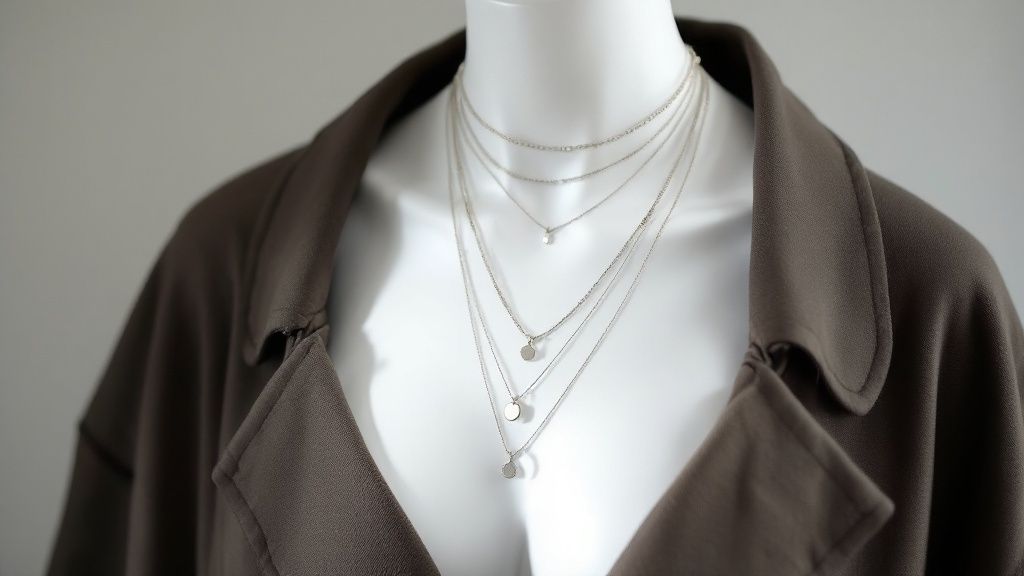
A single necklace can be beautiful. But the art of layering necklaces allows you to create a truly unique and personalized style statement. It's more than just a trend; it's a powerful styling technique that can elevate any outfit. This begs the question: why has layering become so essential?
The Psychology of Layered Necklaces
Layering necklaces taps into our desire for self-expression. By combining different lengths, textures, and styles, we create something visually appealing and deeply personal. This curated combination reflects our individual aesthetic. It allows us to communicate aspects of our personality without saying a word.
Layering also adds a touch of effortless chic. It suggests a carefully considered style without appearing overly planned. This subtle complexity adds intrigue and draws the eye.
Maximizing Your Jewelry Collection
Layering necklaces offers a brilliant way to maximize your existing jewelry collection. Instead of constantly buying new pieces, you can reinvent your look by simply rearranging and combining what you already own. This approach is both economically savvy and environmentally conscious. It allows you to experiment with different styles and discover hidden potential within your jewelry box. For inspiration, you can check out how others curate their necklace styles, such as Celebrity Creators on Shopify.
Transforming Necklines and Complementing Features
Different layering approaches can completely transform necklines. A simple crew neck can be elevated with a delicate layered combination. A plunging V-neck provides the perfect canvas for a bolder, more dramatic stack.
The right combination of necklace lengths can complement your face shape and highlight your best features. A shorter necklace can draw attention to the collarbone. Longer layers can elongate the neck. This interplay of lengths and styles allows you to create a harmonious and flattering look. This trend is part of the reason for the booming jewelry market, which was valued at USD 353.26 billion in 2023 and is projected to grow at a CAGR of 4.7% from 2024 to 2030. You can explore this topic further here.
Learning how to layer necklaces empowers you to craft signature looks. These looks reflect your evolving style and make the most of your jewelry collection. The possibilities are endless, limited only by your creativity.
Mastering the Length Game: Your Perfect Combination
The secret to successfully layering necklaces lies in understanding length. Strategic spacing is key to a polished, intentional look. This means carefully considering the length of each necklace, from chokers to opera-length pieces.
The Two-Inch Rule
Many stylists recommend the two-inch rule: aim for roughly two inches of difference between necklace lengths. This creates visual breathing room and prevents tangling. For instance, layering a 16-inch choker, an 18-inch princess necklace, and a 20-inch matinee necklace creates a cascading effect. As necklaces get longer, increase the space between them for a bohemian look.
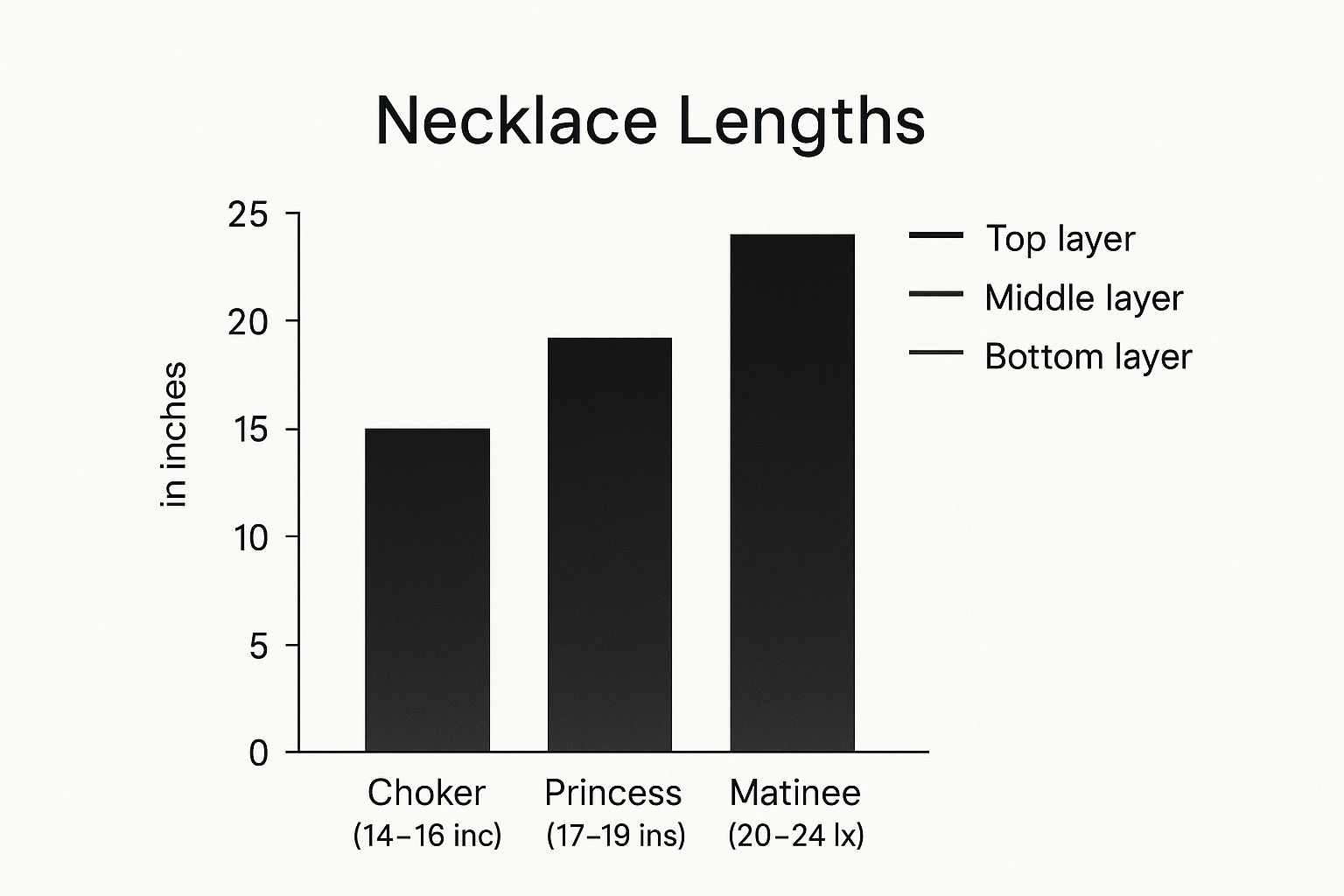
This infographic shows ideal layering lengths using chokers, princess, and matinee necklaces as examples. Varying lengths creates clear separation, showcasing each piece. For more layering tips, check out this resource: How to master more layering tips.
Proportions and Layering
Your proportions—height, body type, and face shape—influence which lengths suit you. Longer necklaces create a lengthening effect, helpful for petite individuals or those with shorter necks. Shorter necklaces highlight the collarbone and décolletage. Also, consider your outfit's neckline. A deep V-neck suits longer layers, while a high neckline might benefit from shorter layers or a single statement piece.
To help visualize how different necklace lengths work together and with various outfits, let's explore a helpful guide. The following table provides standard lengths, where they fall on the body, and ideal layering combinations:
Necklace Length Guide for Layering Standard necklace lengths, where they fall on the body, and how they work in layered combinations
Necklace Type | Length (inches) | Where It Falls | Best Layering Partners |
|---|---|---|---|
Choker | 14-16 | High on the neck, at the collarbone | Princess, Matinee |
Princess | 17-19 | Just below the collarbone | Matinee, Opera |
Matinee | 20-24 | At or just below the bust | Opera, Rope |
Opera | 28-34 | Below the bust, at the sternum or lower | Rope, Lariat |
Rope | 36+ | Extends below the sternum, can be wrapped multiple times | Can be worn alone or layered with shorter necklaces |
Lariat | Variable, often long | A long necklace with a tassel or drop at the end | Can be worn alone or layered with shorter necklaces |
This table demonstrates how various necklace lengths can create diverse looks, from delicate layering to bold statements. Experimenting with these combinations allows for personalized style.
Layering Formulas for Every Occasion
Understanding lengths allows you to create formulas for any occasion. For professional settings, a shorter pendant and a slightly longer, delicate chain add sophistication. For a casual weekend, layer multiple delicate necklaces or mix in a statement piece. Addressing potential tangling is crucial for enjoying layered necklaces.
Troubleshooting Length-Related Challenges
Even experienced jewelry lovers face length-related challenges. Overcrowding—too many necklaces in one area—can look messy. Disproportionate layering (very long with very short necklaces) can appear unbalanced. Experiment to find the right balance; don't be afraid to break the two-inch rule for a unique style.
Breaking the Rules: Mixing Metals, Textures, and Styles
Forget matching necklace sets. Today's stylish layering thrives on interesting contrasts. This is where the fun begins—mixing metals, textures, and styles to create a personalized look. It's all about thoughtful juxtaposition and understanding how unexpected pairings create visual interest. Perfectly matched necklaces simply can't achieve this same effect.
Mastering Metal Mixing
For years, the rule was to match metals: silver with silver, gold with gold. Now, mixing metals isn't just acceptable; it's encouraged! The key is balance. Think of your necklace layering like an outfit. You wouldn't wear just one color, right?
Start with a dominant metal, perhaps the one you wear most often. Then, introduce a secondary metal in smaller amounts. For example, if your dominant metal is gold, try a silver pendant on a longer gold chain for subtle contrast. A popular guideline is the 60/30/10 rule: 60% of your layered look in your dominant metal, 30% in your secondary, and 10% in an accent color or texture. This provides a framework, but feel free to experiment.
The Power of Texture
Texture is as important as metal. Mixing different textures adds depth and dimension to your layered look. A smooth, polished pendant combined with a textured chain creates eye-catching contrast. Likewise, a delicate chain with a chunky statement piece offers a balanced yet striking effect.
Consider these textural combinations:
Matte with Glossy: A matte chain paired with a glossy pendant provides subtle contrast.
Delicate with Chunky: Combining a delicate chain with a chunky pendant or beaded necklace adds visual interest.
Smooth with Rough: Smooth metal against a rough stone or textured metal creates an intriguing juxtaposition.
Combining Styles for a Unique Look
Mixing styles completes the layered look. A simple pendant with a bold chain creates a modern look. Layering different pendant styles, like a geometric pendant with a delicate charm, adds a personal touch.
Consider layering:
Pendants with Chains: A classic, versatile look.
Chains with Charms: Adds whimsy and personality.
Pearls with Metal Chains: A sophisticated, timeless combination.
High-end fashion influences these choices. The desire for personalized jewelry drives the layering trend. Brands like Harry Winston, Inc., and LVMH Moët Hennessy shape consumer preferences by offering diverse pieces perfect for layering. Discover more insights about luxury jewelry here. For more layering tips, see this article.
Avoiding Clashes
While mixing and matching is encouraged, some combinations can clash. Be mindful of overly contrasting styles or textures that compete for attention. For example, a delicate chain with a very chunky pendant can look unbalanced. Too many colors and textures can also appear chaotic.
Mastering the art of mixing metals, textures, and styles transforms necklace layering into a powerful tool for self-expression. Experiment, have fun, and create layered looks that reflect your individual style.
Neckline Matchmaking: Perfect Layers for Every Outfit
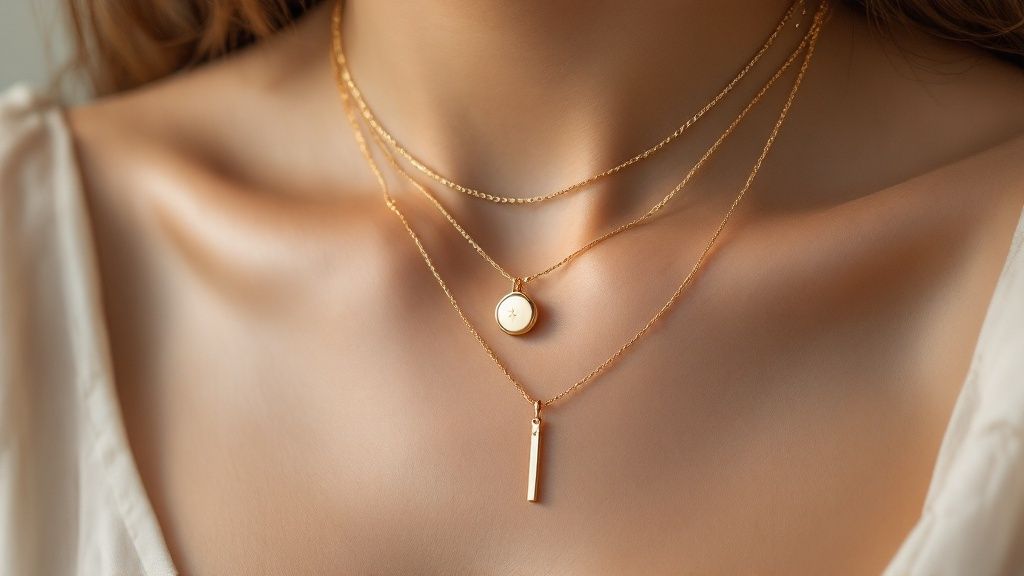
The neckline of your outfit serves as the foundation for your necklace layering. Pairing the right necklaces with different necklines is essential for a polished and stylish appearance. This involves understanding how necklace lengths and styles interact with each neckline's shape. Want to add extra flair? Consider incorporating current Japan hair styling trends into your overall look.
Layering for V-Necks
V-necklines naturally draw the eye downwards. This makes them perfect for showcasing layered necklaces that complement the V-shape. A shorter pendant nestled within the V, combined with progressively longer layers, enhances this effect.
For example, a delicate pendant paired with a slightly longer lariat creates a balanced and attractive look. This emphasizes the neckline while adding a touch of visual interest.
Crew Neck Considerations
Crew necks, with their rounded shape, present a unique layering challenge. Necklaces placed too close to the neckline can look cluttered. Instead, choose a combination that begins just below the collarbone.
Varying lengths are still important, but ensure enough space between each necklace. A princess length necklace combined with a matinee or opera length can create a stylish and uncluttered look.
Off-Shoulder and Asymmetrical Necklines
Off-shoulder and asymmetrical necklines offer more creative freedom. They provide ample space to display layered necklaces and can handle asymmetrical arrangements. A statement necklace paired with a shorter, delicate piece on the opposite side can balance the overall look.
This approach also highlights your collarbone and décolletage, adding a touch of elegance. This style allows you to experiment with different necklace combinations.
To help you visualize optimal necklace pairings, take a look at the table below:
Necklace Layering by Neckline
This table provides optimal necklace layering combinations for various clothing necklines, helping you create a balanced and stylish look.
Neckline | Recommended Layers | Lengths to Prioritize | What to Avoid |
|---|---|---|---|
V-Neck | Pendant with lariat or layered chains | Graduated lengths, starting short and getting longer | Chokers or necklaces that sit too high on the neck |
Crew Neck | Princess, matinee, and opera lengths | Varying lengths with space between each | Short necklaces that sit right at the neckline |
Off-Shoulder/Asymmetrical | Statement necklace with a delicate shorter piece on the opposite side | Varying lengths to complement the asymmetry | Symmetrical layers that may appear too balanced |
This table provides a quick guide for choosing the right necklace lengths and combinations for each neckline. Remember to consider your personal style and the overall aesthetic you want to achieve.
Adapting to Fabric and Occasion
Your layering strategy should also account for fabric, pattern, and occasion. A simple t-shirt allows for bolder, more layered combinations. A busy patterned top, however, benefits from a simpler approach.
Formal events call for refined and elegant pairings. Consider the overall aesthetic and choose necklaces that complement your outfit without overpowering it.
The Psychology of Neckline and Necklace Harmony
Certain necklace and neckline combinations enhance your features, while others might clash. A long necklace elongates the neck, while a shorter one emphasizes the collarbone. This interplay creates a harmonious balance. It can even create the illusion of different proportions, enhancing your overall appearance.
Day to Night Transformations
Learning to layer necklaces allows for easy day-to-night transitions. A simple daytime look can be elevated for evening with a few adjustments. Adding a statement piece or adjusting lengths can transform your look from casual to chic. Understanding these nuances elevates necklace layering to an art form.
The Tangling Solution: Practical Hacks That Actually Work
Layering necklaces can truly elevate your style, but tangled chains can quickly diminish the joy. This section offers practical solutions from jewelry experts and layering enthusiasts to keep your necklaces separate and tangle-free.
Preventing Tangles Before They Happen
The most effective approach to tangling is prevention. A simple yet effective technique involves the order you put on your necklaces. Begin with the longest necklace, then gradually add shorter layers. This naturally weighs down the necklaces, minimizing contact and reducing tangles.
Another surprisingly useful hack involves silicone-based hair ties. Loop the clasp of each necklace through a small hair tie before fastening. The added grip from the silicone prevents the chains from sliding and tangling. This trick is budget-friendly and works just as well as specialized jewelry products.
For a more permanent solution, consider necklace separators or de-tangling clasps. These clever devices secure multiple necklaces at the back, preventing twisting and knotting throughout the day.
Chain Type Considerations
Certain chain types are more susceptible to tangling. Delicate cable chains and fine snake chains, for example, tend to tangle more easily. When layering these finer chains, follow the two-inch rule, maintaining space between each layer. A chain extender can also create subtle length adjustments that make a significant difference in preventing tangles.
Thicker chains, like rope chains and curb chains, generally tangle less. However, they can still tangle with finer chains, especially if they are similar in length. Varying the weights of your necklaces, by combining thicker and thinner chains, can minimize this issue.
Storage Solutions for Tangle-Free Layering
Proper storage is crucial. Avoid tossing necklaces into a jewelry box where they can easily become entangled. Instead, use individual necklace hangers or a jewelry organizer with separate compartments. This keeps necklaces from touching, preserving your layered look.
Consider hanging necklaces on wall-mounted hooks. This method provides easy access and displays your collection, simplifying the process of choosing your desired combination.
Even simple household items can help. Hanging necklaces from pushpins on a corkboard keeps chains separated and readily available. This affordable solution maintains order and prevents knots.
Untangling Knotted Necklaces
Even with preventative measures, tangles can still happen. If you encounter a knot, avoid pulling or yanking. Instead, lay the necklaces on a flat surface and gently try to separate the chains with your fingers or a fine-tipped tool like a needle or toothpick.
For stubborn knots, apply a drop of baby oil or olive oil. The oil lubricates the chains, making them easier to separate.
By using these practical tips and storage solutions, you can enjoy layering necklaces without the frustration of tangles, creating stylish combinations with ease.
Building Your Collection: Investment Pieces vs. Trend Items
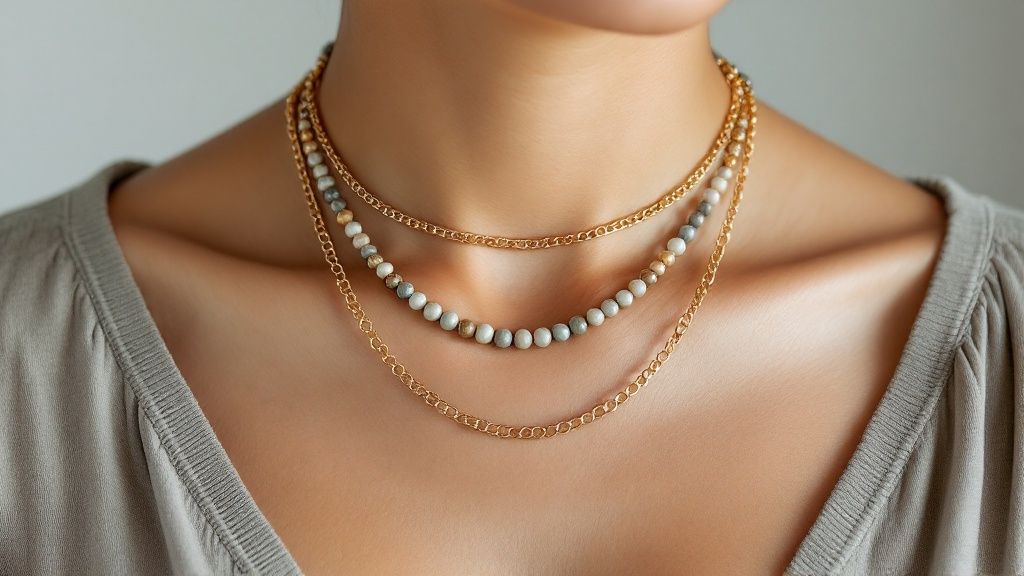
Creating a stunning layered necklace look doesn't have to be expensive. It's all about making smart choices and understanding the difference between investment pieces and trend items. This approach helps you build a versatile collection that balances quality and affordability. For a complete selection, browse our full product catalog.
The Foundation of Your Layering Collection
Some necklace types are essential for layering and are worth investing in due to their versatility:
High-Quality Chain: A simple, high-quality chain in your preferred metal (gold, silver, or platinum) is the perfect base for numerous combinations. Look for solid construction and a classic style like a cable, Figaro, or curb chain.
Delicate Pendant Necklace: A delicate pendant adds a personal touch to your layers. Choose a timeless design that works for both casual and formal occasions. A small diamond solitaire, a delicate gemstone, or a meaningful charm are all great options.
Mid-Length Statement Necklace: This piece anchors your layers and creates visual interest. Choose something with texture or unique details that complement your personal style. This could be a pearl strand, a beaded necklace, or a chain with a unique clasp.
These three core pieces allow you to build and expand your look with trendier, more affordable accessories.
Identifying Quality in Jewelry
Knowing how to spot well-crafted pieces, no matter the price, helps you make informed decisions. When choosing chains, look for solid links instead of hollow ones for greater durability. Check clasps to ensure they close securely and operate smoothly.
With pendants, make sure the setting is secure and any stones are well-faceted and free of visible inclusions. For pearls, look for a consistent luster and a smooth surface. These small details often indicate lasting quality.
Smart Shopping for Trendy Pieces
Trendy pieces, like colorful beaded necklaces or statement pendants featuring seasonal motifs, can be purchased at lower prices. These pieces add personality and let you experiment with different styles without a large investment. However, quality is still important. Look for well-made pieces even at lower price points.
Focus on trendy details that complement your existing collection, not pieces that will quickly become outdated. This approach allows you to refresh your layered looks without constantly replacing your entire jewelry collection.
Maintaining Your Collection
Proper care extends the life of your jewelry. Store necklaces separately to avoid tangles and scratches. Clean them regularly with a soft cloth and a suitable jewelry cleaner. For investment pieces, consider professional cleaning and maintenance to protect their value.
By understanding the difference between investment pieces and trend items, and by recognizing quality craftsmanship, you can build a beautiful and versatile necklace collection that you'll enjoy wearing for years. Market trends show that consumers appreciate versatility, making layered necklaces a popular choice. This demand, combined with the growth of the luxury fashion market, is projected to fuel continued growth in the layered necklace market. You can find more detailed statistics here.
Steal Their Style: Celebrity Layering Formulas You Can Copy
Celebrities often inspire our everyday fashion choices, and necklace layering is no exception. From red carpets to street style, they offer a masterclass in how to layer necklaces, showcasing a range of looks from minimalist to maximalist. By understanding their techniques, we can create similar formulas for our own jewelry collections.
Zendaya's Red Carpet Statements
Zendaya is known for her bold fashion statements. Her layered necklace looks often emphasize proportional balance and textural contrasts. She might pair a striking diamond choker with a longer, delicate chain in a different metal or texture. This creates a focal point while maintaining overall harmony. To achieve this look, try combining a chunky chain with a longer, finer pendant necklace, keeping a two-inch difference in length for visual separation.
Hailey Bieber's Everyday Cool-Girl Stacks
Hailey Bieber’s layered necklace style is the definition of effortless cool. She often layers multiple delicate necklaces to create a cascading effect. She frequently mixes metals like gold and silver, sometimes incorporating colorful beaded necklaces. A key element is keeping the layers close together for a cohesive, uncluttered look. Recreate this by layering delicate gold and silver chains of varying lengths, adding a small pendant or charm for a personal touch.
Adapting Celebrity Inspiration to Your Style
While celebrity looks are inspiring, adapting them to your personal style and budget is essential. You don’t need expensive diamonds to achieve a similar effect. If you love Zendaya’s bold contrasts, consider pairing a chunky gold chain with a longer, delicate silver necklace and a semi-precious stone pendant.
If Hailey Bieber’s minimalist stacks are more your style, layering affordable delicate chains in different metals is an easy way to achieve a similar aesthetic. Focus on varying the lengths and adding small charms or pendants to personalize the look. Remember, layering is about expressing your individuality.
Practical Tips for Celebrity-Inspired Layering
Here are a few practical tips to help you incorporate celebrity-inspired layering into your style:
Start with a base chain: Choose a quality chain in your preferred metal to anchor your other layers and create a cohesive look.
Vary the lengths: Maintain a noticeable difference in length between each necklace to prevent tangling. A two-inch difference is a good starting point.
Mix metals and textures: Experiment with different metal combinations and textures. Mixing delicate and chunky chains, or smooth and textured pendants, can create visual interest.
Consider your neckline: Your outfit’s neckline influences how your layered necklaces will look. V-necks pair well with layered pendants, while crew necks suit longer layers that fall below the neckline.
Personalize with pendants: Add pendants and charms that reflect your personality and style, from a simple initial to a meaningful symbol.
By understanding the key elements of celebrity layering, you can create your own unique and stylish combinations. Experiment with lengths, textures, and metals to find what works best for you.
Ready to elevate your style? Explore the collection at Panther De Luxe Shop and discover the perfect pieces to create your signature layered look.
Comments